Popeyes Beef Tallow Exposed: The Secret Behind That Addictive Crunch
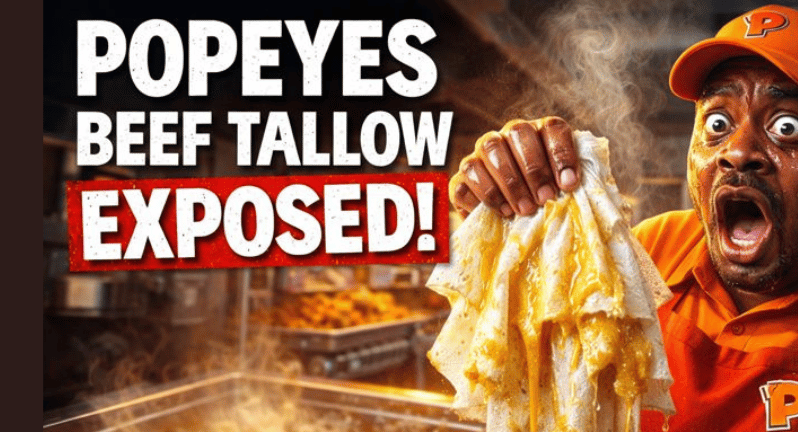
Yes, Popeyes uses beef tallow for all fried products in U.S. locations. This controversial choice significantly impacts the flavor, texture, and dietary suitability of their menu items. Understanding what beef tallow is and why Popeyes continues using it helps you make informed dining decisions based on your health goals, dietary restrictions, and personal preferences.
What Is Beef Tallow and Why Does It Matter?
Beef tallow is rendered beef fat extracted from the tissue surrounding cattle kidneys and loins. This solid fat has a high smoke point above 400°F, making it ideal for deep frying. Unlike vegetable oils that break down at high temperatures, beef tallow remains stable during extended frying sessions.
The rendering process involves slowly heating beef fat until it liquefies, then straining and cooling it into a white, creamy solid. This traditional cooking fat was used for centuries before vegetable oils became commonplace in modern kitchens.
Does Popeyes Fry Chicken in Beef Tallow?
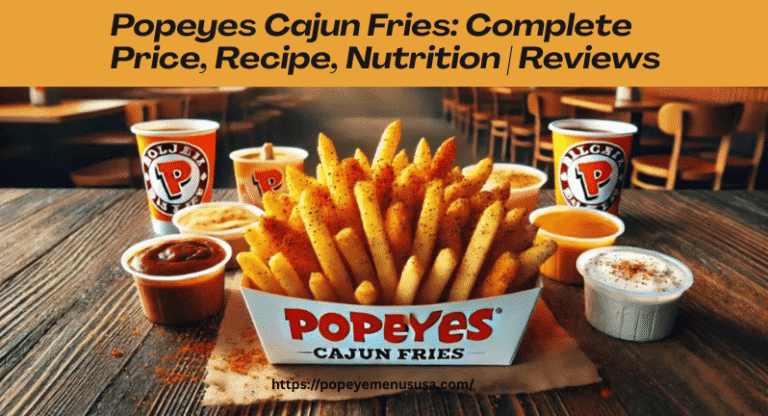
Popeyes confirms through official communications that all fried menu items at U.S. restaurants are cooked using beef tallow. This includes their signature fried chicken, Cajun fries, hash browns, and other breaded items.
The company uses a blend rather than pure tallow. According to multiple sources, Popeyes combines beef tallow with vegetable oils like palm oil, soybean oil, and canola oil to optimize both flavor and frying performance.
What Makes Beef Tallow Different from Other Oils?
Flavor Enhancement: Beef tallow delivers a rich, savory umami taste that vegetable oils cannot replicate. This contributes to Popeyes’ distinctive flavor profile that sets it apart from competitors.
Superior Texture: The fat creates an exceptionally crispy, golden-brown crust while keeping meat juicy inside. This texture difference is noticeable compared to chicken fried in vegetable oil alone.
Cooking Stability: Tallow’s high smoke point and resistance to oxidation mean it doesn’t break down or turn rancid as quickly as many vegetable oils, resulting in more consistent food quality.
Natural Fat Composition: Unlike partially hydrogenated vegetable oils, pure beef tallow contains no artificial trans fats.
Popeyes Beef Tallow vs. Competitor Frying Methods
| Restaurant | Primary Frying Oil | Smoke Point | Flavor Profile | Vegetarian Safe | Key Notes |
|---|---|---|---|---|---|
| Popeyes | Beef tallow blend | 400°F+ | Rich, savory umami | ❌ No | Signature crispy texture |
| KFC | Soybean oil blend | 450°F | Neutral, lighter | ✅ Yes | Trans-fat free since 2007 |
| Chick-fil-A | Peanut oil | 450°F | Mild, slightly nutty | ✅ Yes | Allergen concern for some |
| McDonald’s | Vegetable oil blend | 400-450°F | Neutral | ✅ Yes | Switched from tallow 1990s |
| Buffalo Wild Wings | Beef shortening | 400°F+ | Rich and savory | ❌ No | Similar to tallow |
| Five Guys | Peanut oil | 450°F | Nutty undertones | ✅ Yes | Premium cost |
McDonald’s originally used beef tallow for fries until the 1990s when health concerns prompted a switch to seed oils. Popeyes remains one of the few major chains still committed to this traditional method.
Health Considerations of Beef Tallow
Nutritional Profile
Beef tallow provides approximately 115 calories and 14mg cholesterol per tablespoon. Nearly half of its content is saturated fat, though it also contains vitamins E and D.
The fat includes monounsaturated fats and omega fatty acids that have been linked to heart health, reduced inflammation, and brain function when consumed in moderation.
Beef Tallow Nutrition Breakdown
| Nutrient (per tablespoon) | Amount | % Daily Value | Health Impact |
|---|---|---|---|
| Calories | 115 | 6% | High calorie density |
| Total Fat | 12.8g | 20% | Primary macronutrient |
| Saturated Fat | 6.4g | 32% | Raises LDL cholesterol |
| Monounsaturated Fat | 5.4g | — | Heart-healthy fat |
| Polyunsaturated Fat | 0.5g | — | Includes omega-3 & 6 |
| Cholesterol | 14mg | 5% | Moderate amount |
| Vitamin E | 0.4mg | 2% | Antioxidant benefits |
| Vitamin D | Trace | <1% | Bone health support |
| Smoke Point | 420°F | — | Very stable for frying |
Potential Benefits
Natural Composition: Beef tallow is minimally processed compared to many industrial seed oils.
Fat-Soluble Vitamins: Contains vitamins A, D, E, and K essential for various body functions.
Stable Structure: Less prone to forming harmful compounds during high-heat cooking than some vegetable oils.
Health Concerns
High Saturated Fat: Popeyes Cajun Fries contain 5 grams of saturated fat compared to McDonald’s fries with 2 grams. Excessive saturated fat intake may impact cardiovascular health for some individuals.
Calorie Density: All fats are calorie-dense, providing 9 calories per gram.
Individual Health Status: Those with high cholesterol or heart conditions should consult healthcare providers about consuming foods fried in animal fats.
The key is moderation. Enjoying Popeyes occasionally as part of a balanced diet differs significantly from frequent consumption.
Dietary Restrictions and Beef Tallow
Vegetarian and Vegan Concerns
Beef tallow makes Popeyes fried items unsuitable for vegetarians and vegans. This includes:
- All fried chicken products
- Cajun fries
- Hash browns
- Breaded seafood items
Even items that seem plant-based like fries contain animal fat. Cross-contamination occurs since shared fryers are used for all fried products.
Religious Dietary Laws
Halal: Popeyes is not considered halal in U.S. locations despite sourcing chicken from halal-certified suppliers, because the beef tallow used is not halal-certified.
Hindu Dietary Practices: Beef products are prohibited in Hindu dietary laws, making Popeyes fried items unsuitable.
Kosher: Mixing meat and dairy equipment violates kosher laws, though beef tallow itself may be kosher if properly prepared.
International Variations
Popeyes may use 100% vegetable oils in regions with strict halal or vegetarian requirements, such as parts of the Middle East or India. Always verify cooking methods at your specific location.
Why Popeyes Continues Using Beef Tallow
Despite industry trends toward vegetable oils, Popeyes maintains its commitment to beef tallow for several reasons:
Brand Differentiation: The distinctive flavor and texture set Popeyes apart in a competitive market.
Customer Preference: Many loyal customers specifically seek out the taste that beef tallow provides.
Cost-Effectiveness: Tallow offers competitive pricing while delivering premium results.
Traditional Heritage: The method aligns with Popeyes’ Louisiana roots and authentic cooking traditions.
The decision has helped Popeyes achieve recognition, with long drive-thru lines demonstrating customer approval.
Other Fast Food Chains Using Beef Tallow
Several restaurants have recently embraced beef tallow, including Steak ‘N Shake (announced 100% beef tallow in 2025), Buffalo Wild Wings (beef shortening), Smashburger (tallow and canola blend), and Outback Steakhouse.
This represents a growing trend as consumers increasingly question industrial seed oils and seek more traditional cooking methods.
How to Make Informed Choices at Popeyes
Check Before You Order
Contact your local Popeyes to confirm current cooking practices, as methods may vary by location or country.
Review Allergen Information
Popeyes provides detailed allergen menus both in-store and online. Beyond beef tallow, watch for soy, wheat, dairy, eggs, and shellfish depending on your sensitivities.
Consider Alternatives
If beef tallow doesn’t align with your dietary needs, Popeyes offers limited non-fried options like corn, certain sauces, and beverages. However, vegetarians and vegans will find very limited suitable choices.
Balance Your Diet
If you choose to eat at Popeyes occasionally, balance it with nutrient-dense whole foods, vegetables, and lean proteins throughout the rest of your day.
Consumer Reactions to Beef Tallow Usage
Customer opinions remain divided:
Supporters appreciate the authentic taste and texture that beef tallow provides, viewing it as a return to traditional, less-processed cooking methods.
Critics avoid Popeyes due to dietary restrictions, religious beliefs, or health concerns about saturated fat and animal products.
Transparency Advocates value knowing exactly what goes into their food, whether they ultimately choose to consume it or not.
The Future of Beef Tallow in Fast Food
The recent shift by chains like Steak ‘N Shake signals growing consumer interest in alternatives to seed oils. However, the debate between animal fats and vegetable oils continues among nutrition experts, with neither option being universally superior for all health goals.
Whether beef tallow remains standard at Popeyes long-term depends on evolving consumer preferences, regulatory changes, and competitive pressures. For now, the company shows no signs of changing its signature cooking method.
Conclusion: The Beef Tallow Truth
Popeyes’ use of beef tallow represents a deliberate choice that significantly impacts flavor, texture, and dietary suitability. For U.S. customers in 2025, understanding this cooking method is essential for making informed decisions aligned with your health goals, ethical values, and dietary requirements.
The beef tallow blend contributes to Popeyes’ signature crispy chicken that millions enjoy, but it also means the food isn’t suitable for vegetarians, vegans, or those following certain religious dietary laws. Whether you view beef tallow as a traditional cooking fat or a dietary concern, knowing the facts helps you navigate your fast food choices confidently.
While some chains embrace fully plant-based oils, Popeyes stands by its time-tested method. The addictive crunch and rich flavor that keeps customers coming back stems directly from this controversial cooking choice. Now that you know the truth behind that golden crust, you can decide whether Popeyes aligns with your personal dining values.
FAQs
No. Popeyes uses a blend of beef tallow combined with vegetable oils like palm, soybean, and canola oil for optimal frying performance and flavor.
Yes. In U.S. locations, Cajun fries are cooked in the same beef tallow blend used for chicken, making them unsuitable for vegetarians and vegans.
Popeyes has used beef tallow for decades as part of its traditional cooking method, though the exact start date isn’t publicly documented.
Neither is definitively “healthier” for everyone. Beef tallow is minimally processed and stable at high heat but high in saturated fat.
No. Popeyes uses standardized cooking procedures and doesn’t accommodate requests for alternative cooking oils in their kitchens.